
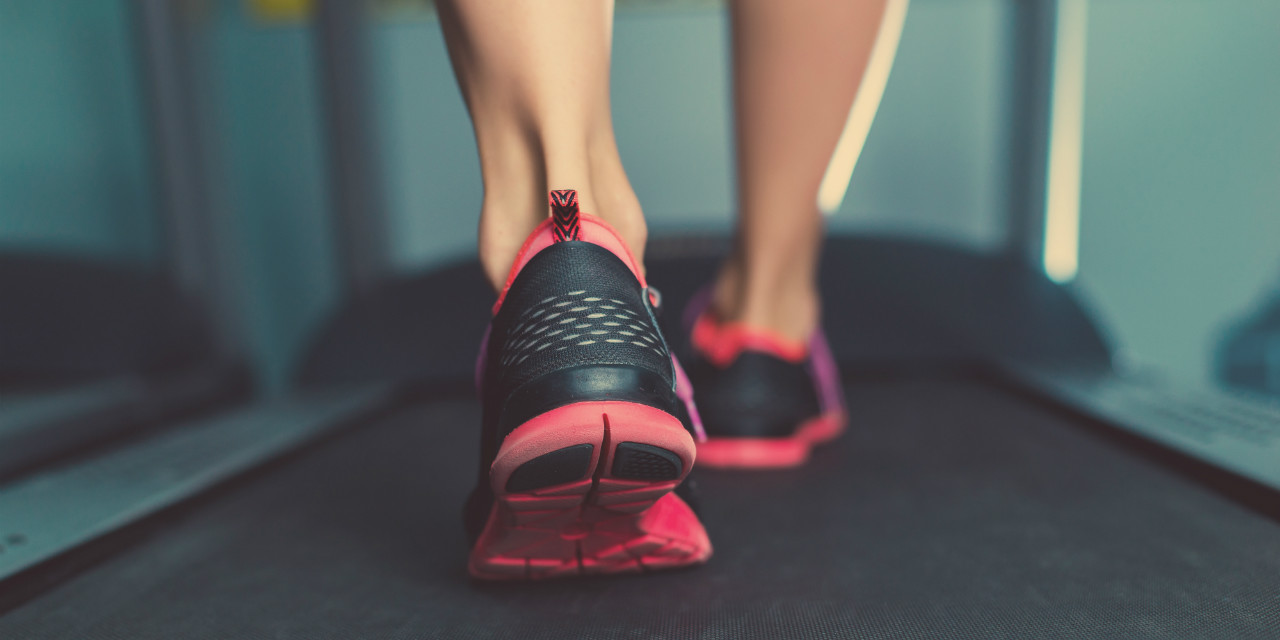
Is it okay to work out if you’re sick? Whether it’s an essential part of your routine, or you really buy into the idea of “sweating it out” – does exercising when you’re sick have any benefits?
First, it’s important to listen to your body. If a cold or flu has you close to bedridden, or a stomach bug has left you feeling rough in the last 24 hours, the weights can wait. Forcing yourself to exercise could end up compromising your immune system further or keep you feeling sicker longer.
Lessen the impact of your typical workout. If heart-pumping cardio is your jam, treat your workout like an active recovery day with low-impact cardio, like slow-cycling, tai chi, walking, light jogging, swimming, yoga, or rowing. Pay attention to how your body feels and stay well hydrated. Our body needs water and rest to fight off an infection, and exercising for long periods of time, like distance running, or strenuous workouts like high-intensity interval training (HIIT) or heavy lifting, is riskier than it is beneficial.
Light exercise may help temporarily clear your sinuses, but if you begin to feel fatigued or are having difficulty finishing your workout, it’s time to stop and give your body some rest. Exercising when you’re too ill can take energy away from your immune system and increase dehydration, which may slow your recovery. The body is weaker and more vulnerable to injuries when we are sick, and because respiratory illnesses can make breathing difficult, your lungs may not get enough oxygen and put extra strain on your heart.
Exercising too much for too long can work against you and suppress your immune system. Studies have shown athletes who trained for prolonged periods of time at more intense rates had higher instances of respiratory illness than those who exercised in moderation. Those who exercised in moderation saw an improvement in their immune system function, while the athletes saw a decrease.
After you’ve recovered, it’s important not to rush back into a workout to avoid injury. If you’ve been training for a race or competition, a few days or a week off won’t derail or slow your progress. Start by doing 25% of the duration or intensity of your workout, and gradually work your way up to 50%, then 75%, until you feel well enough to get back into your regular routine.
Find a Specialist Near You
Call (716) 706-2112
