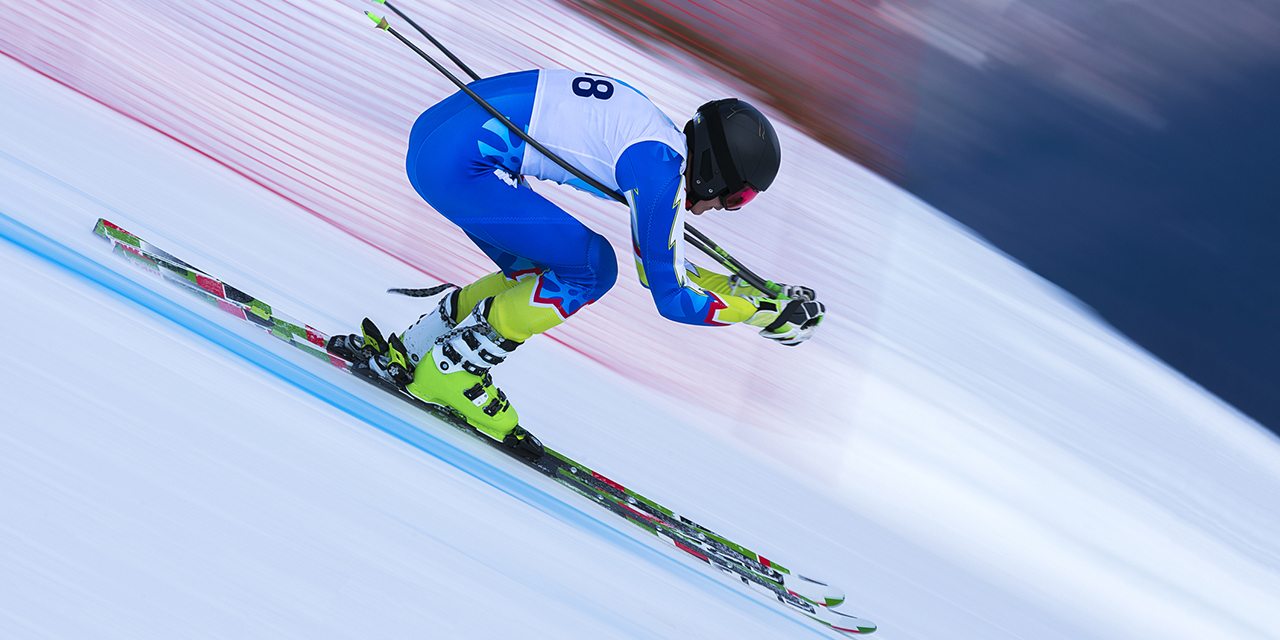
Every four years, winter athletes around the world compete against the best in hopes of bringing home Olympic gold. Despite being in top physical condition, even the strongest competitors face setbacks that can derail their performance and turn years of disciplined training and conditioning into heartbreak.
Exercise is widely recognized for it’s health benefits, but for professional athletes who compete, it also raises their risk of musculoskeletal injuries. These injuries can be one-off, like a broken wrist from a fall, or be severe enough to turn into something that will cause chronic pain later on, especially as the athlete ages.
The type of winter sport with the most injuries varies each Winter Olympics. Because the next Winter Olympic event won’t take place in the same city, the weather conditions, competition track, venue design, equipment, and other environmental factors will always be different and unpredictable each time. However, studies show snow sports have significantly higher injury rates than ice sports, with freestyle skiing (18%), snowboarding (17.4%), and alpine skiing (17.2%). Female athletes were also more likely to be injured than their male counterparts.
The most injury-prone areas for Winter Olympic athletes tends to be the knees, followed by the thoracic/lumbar/back and wrist/hand/fingers, and head. Injuring the knee can be detrimental to an athletes performance and even cost them the competition. The knee joint has an important role, especially for an athlete, by working as a shock absorber, proving stability, supporting their weight, and enabling them to move.
“The knee is one of the most complex and hardworking joints in the body. It absorbs force, provides stability, and allows athletes to perform explosive, multi-directional movements. Because the knee bears so much load and controls so much movement, even minor injuries can have a major impact. The knee is especially vulnerable to both acute injuries like ACL tears, meniscus injuries, and patellar dislocations, as well as chronic conditions such as tendinitis, cartilage damage, and arthritis from overuse. At Trinity Orthopaedics, we have sports medicine surgeons who can treat acute injuries in our athletes, as well as total joint surgeons, such as myself, who can provide treatment options to patients with chronic arthritis resulting from their more athletic days.”
James Aitken, DO
Orthopedic Surgeon, Trinity Orthopaedics
There’s many reasons to enjoy the skill and spectacle of the Winter Olympics, but it’s important to remember that beneath the surface there is also an undeniable element of risk. These elite athletes train year-round, pushing their bodies to the limit in pursuit of peak performance. Yet the smartest competitors know that success isn’t just about working harder, it’s also about knowing when to stop. Without proper rest and recovery, muscles become overworked and fatigued, increasing the risk of injury and diminished performance.
For recreational athletes, priming our muscles with dynamic warm-up stretches before any sporting activity helps improve performance and reduce the risk of injury. Static stretches are best saved for the cool-down, where they can aid recovery and gradually build flexibility.
Remember, competition is an Olympian’s livelihood and how they make a living, but for the rest of us, the priority is different. If something feels off or painful, don’t ignore it or try to “push through”, because when you play through the pain, you lose more progress than you gain.
Find an Orthopedic Specialist Near You
Call (716) 706-2112