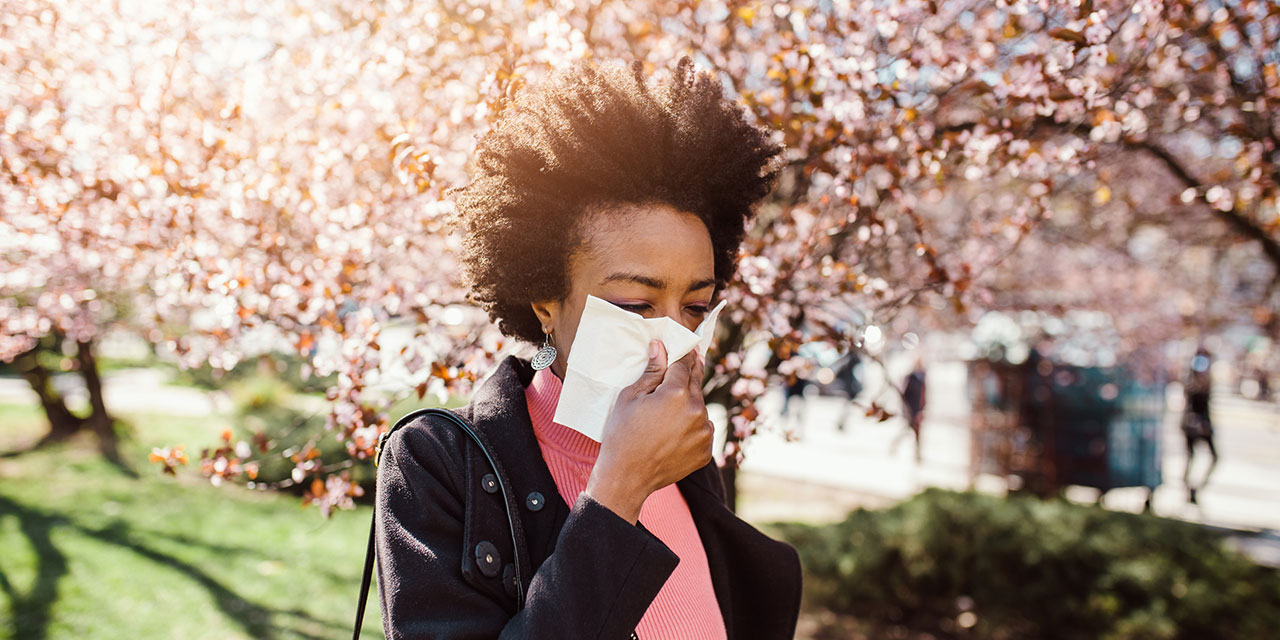
The arrival of spring has many people looking forward to spending time outside. But for the nearly 82 million Americans affected by seasonal allergies, it can also bring sneezing, itchy eyes, and other uncomfortable symptoms.
Whether you’re enjoying the warmer weather or simply heading outside for your daily routine, spring allergies don’t have to get in the way. With a few simple strategies, you can reduce your exposure to pollen, manage allergy symptoms, and make the most of the season.
Ways to Keep Your Allergy Symptoms in Check
- Avoid allergy triggers: Knowing what allergens trigger your symptoms is the first step in treating seasonal allergies.
- Check HVAC system: Routinely changing your HVAC filter, or investing in a quality HEPA filter, can help keep the air clean in your home.
- Wear a hat and sunglasses: Covering your head can prevent pollen from sticking to your hair and protect your eyes from exposure to irritants.
- Find the right medication: There are many different ways to treat seasonal allergies. For those who’d rather avoid the drowsiness that can come with some antihistamines, options such as steroid nasal sprays, saline nasal rinses, and allergy immunotherapy (allergy shots) may provide effective relief.
- Change your clothes: Pollen and other allergens can stick to your shoes and clothing, which can be tracked into your house. Keep shoes by the door and change into fresh, pollen-free clothes as soon as you get home.
- Take an evening shower: Rinsing off before bed washes off any allergens and pollen from the day. It also prevents these irritants from transferring to your pillows and bedding, helping reduce nighttime symptoms and promoting clearer airways for a better night’s sleep.
- Talk to an allergist: There are many ways to keep spring allergies under control, but if your symptoms persist or don’t improve with over-the-counter treatments, it may be time to see an allergist. An allergist can identify your specific triggers and recommend a personalized treatment plan to help you manage your symptoms more effectively, so you can get back to enjoying the outdoors all season long.
Find a Specialist Near You
Call (716) 706-2112